Crash Cart Durability: What Makes a Cart Last?
Crash cart durability depends on the frame, joints, moving parts and daily care. A material name or a product photo cannot show how long a cart will last. Two carts may look alike but wear in different ways.
For the basics, see What Is a Crash Cart?.
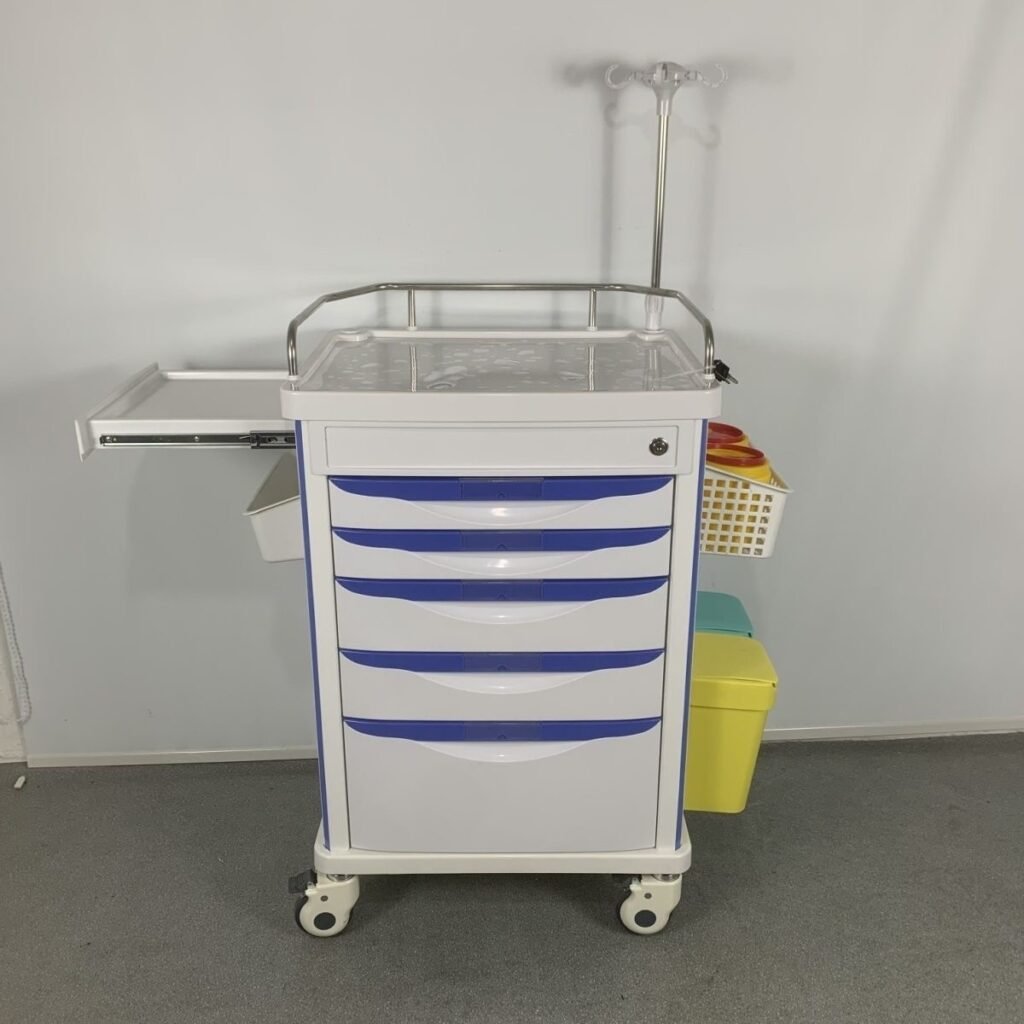
What Does Crash Cart Durability Mean?
A durable cart keeps working through repeated use. The frame stays stable. Drawers open and close well. Wheels roll, brakes hold and mounted parts stay secure within their load limits.
A clean finish is only one part of the picture. Buyers also need to look at joints, drawer supports and fittings.
Warranty length is another point to check. Ask what parts it covers and how claims are handled. A long warranty alone cannot show how a cart will wear.
There is no fixed lifespan for all crash carts. Weight, movement, floor conditions and care can all affect service life. The best choice depends on where and how the cart will be used.
How Do the Frame and Joints Affect Durability?
The frame holds the cabinet, drawers and side fittings. Its joints help the body keep its shape as the cart moves.
If a joint becomes loose, the body may twist. This can affect drawer alignment and put stress on mounted parts.
ABS Cart Connections
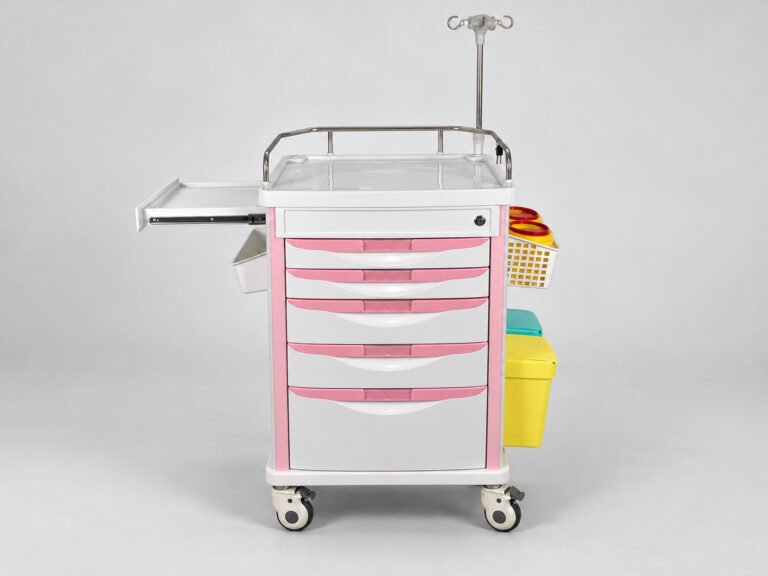
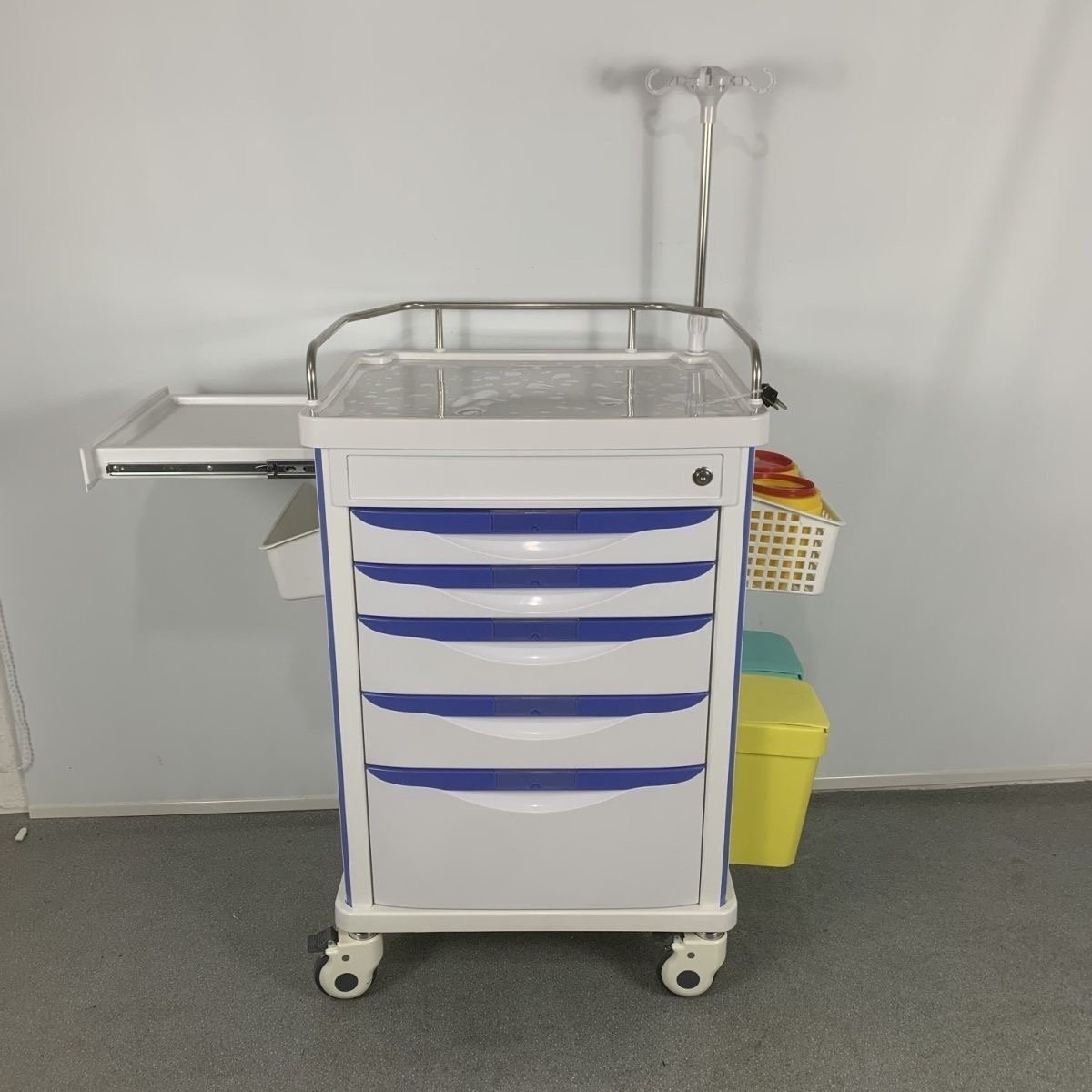
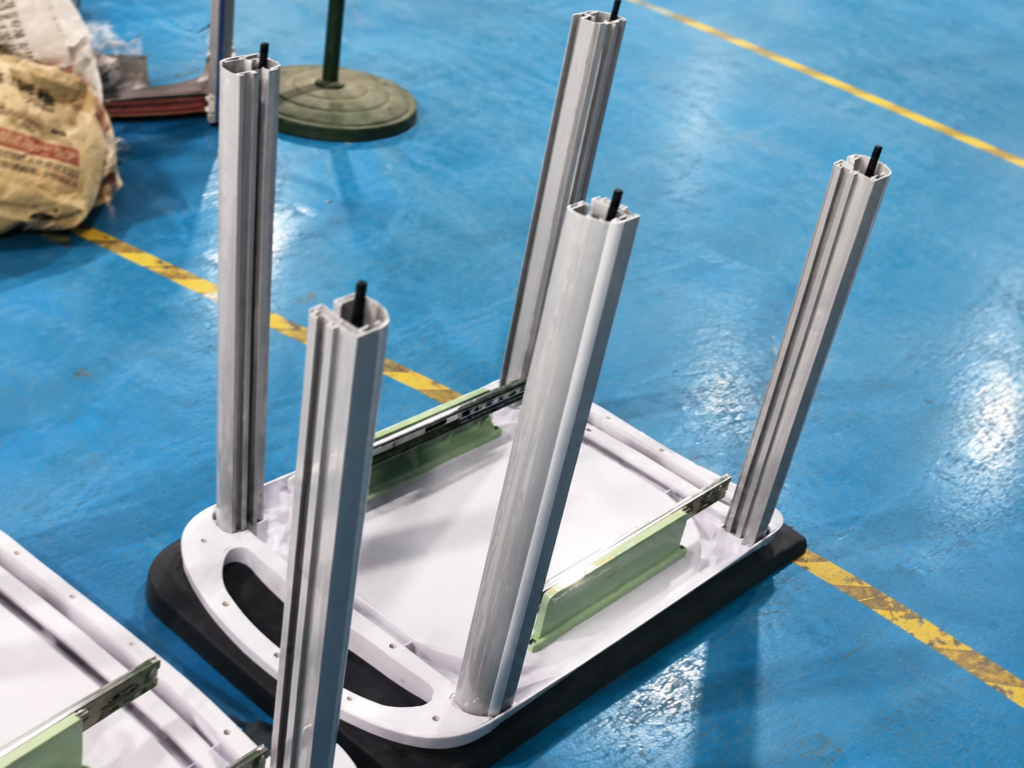
Airomay’s ABS emergency carts use aluminum-alloy uprights. On these models, screws and locating clips join the uprights to the base.
During assembly, the profile slots are lined up. Hex-socket screws then hold the parts in place. This design allows parts to be taken apart for service. Some damaged parts can be replaced with parts made for the same model.
Buyers should ask which parts can be replaced. They should also check how to fit them and whether spare parts are available.
Stainless Steel Frame Joints
Airomay’s stainless steel carts use argon-shielded welding on the main frame. The weld areas are ground and polished. Side parts, such as IV poles and trays, are fitted with screws.
A smooth weld gives a neat finish. Buyers should also ask how the frame and joints are checked after assembly.
Both screws and welds can form part of a sound design. The joint layout, materials and assembly all matter. For more on material choice, see Crash Cart Materials.
Why Do Drawer Slides and Fittings Matter?
Drawers move each time staff take out or replace supplies. The slides, screws and cabinet supports must work together.
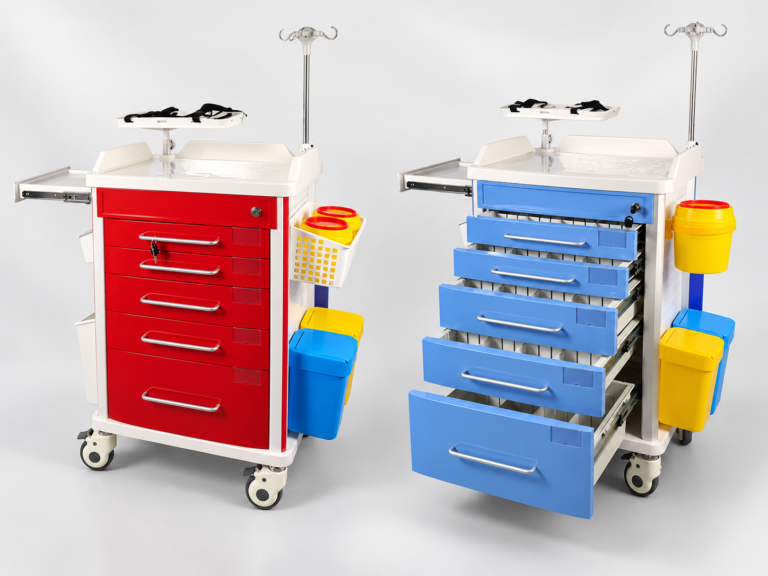
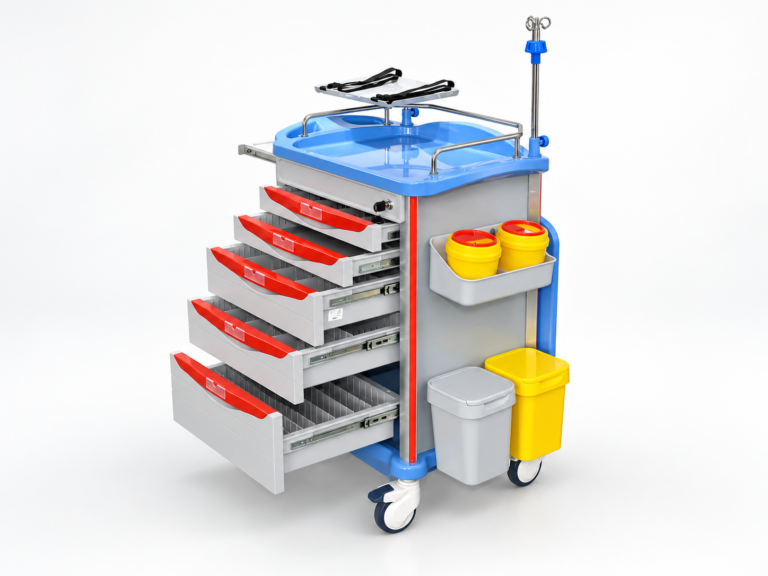
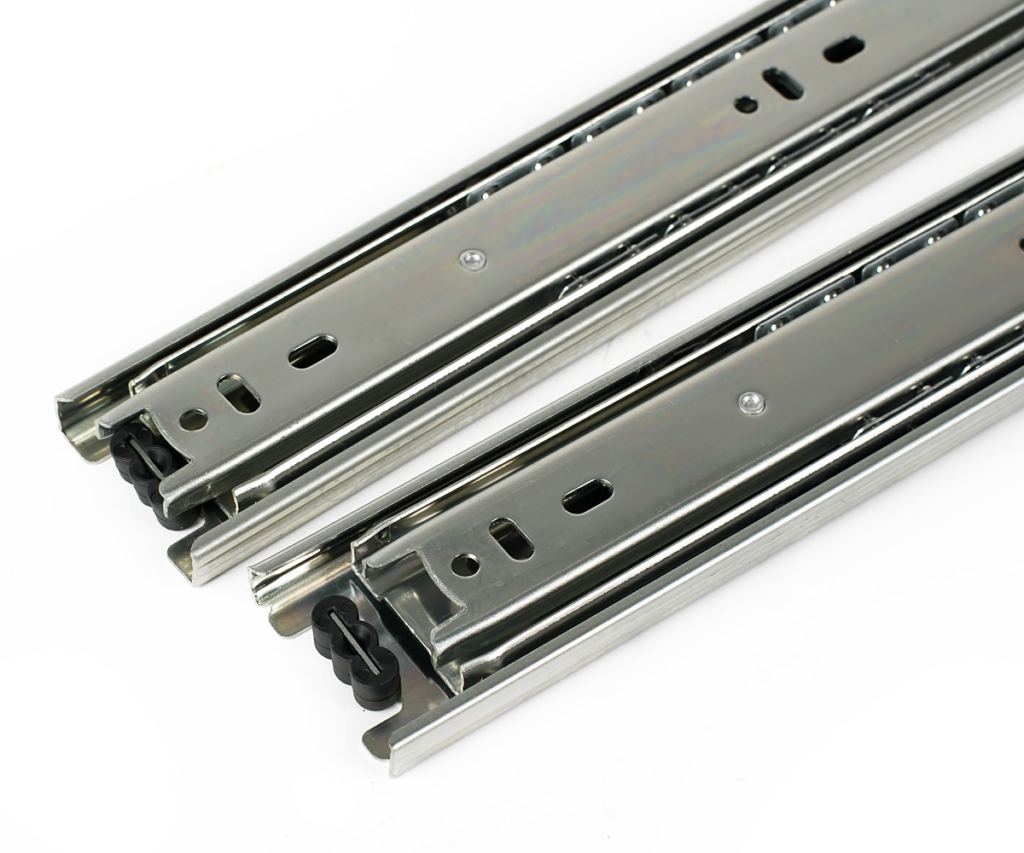
Airomay’s models described here use side-mounted, three-section ball-bearing slides. These are full-extension slides. They let the drawer open far enough to reach items at the back.
Full extension describes how far a drawer opens. It does not mean staff should remove it during normal use.
Airomay adjusts slide gaps before dispatch and reports few complaints about sticking or loose slides. This feedback is useful, but it does not give a measured lifespan.
Check Drawers With a Suitable Load
An empty drawer may move well but behave differently with supplies inside. Ask to see a drawer open and close with the planned load, within the model’s limits.
Look for smooth travel, even alignment and firm supports. Check for catching, scraping or unusual noise.
Ask for the drawer load limit too. A slide rating alone may not describe the limit of the whole drawer and cabinet.
Do not assume several loaded drawers can be opened at once. Follow the model’s instructions during any check.
Look at Side Fittings
IV-pole clamps, tray brackets and basket mounts also need attention. Frequent changes or impacts may loosen these parts.
Ask how each fitting attaches, what weight it can hold and whether spare fittings are available.
Published product details can help buyers compare designs. For example, the Harloff V30-6B specifications list full-extension ball-bearing drawer slides and a bumper frame with corner bumpers. These are specific features buyers can compare. They do not establish a lifespan.
How Does Daily Use Affect Wear?
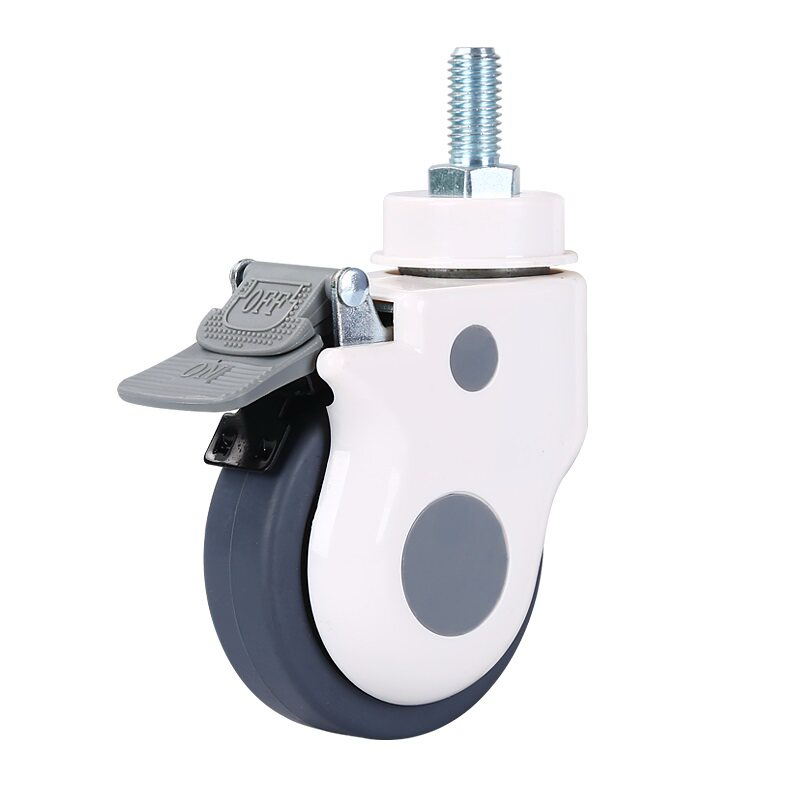
A cart on a smooth ward floor faces different wear from one moved across thresholds each day.
More weight adds stress to slides, joints and wheels. Impacts with doors or floor edges may damage brackets or loosen parts. Repeated changes to side fittings can wear clamps and screws.
Before ordering, tell the supplier:
- What the cart will carry.
- How much weight will go in each drawer.
- How often the cart will move.
- Whether the route has thresholds or rough floors.
- Which side fittings staff will adjust often.
The total cart load, drawer load and side-fitting load are separate limits. Ask for the values that apply to your chosen model.
Cleaning also affects wear. Follow the supplier’s care guide and the facility’s cleaning rules. See How to Clean a Crash Cart for more detail.
If a drawer sticks or a joint moves, check the cause before making repairs. Send the supplier photos or a short video. Tightening a screw may help in some cases, but it will not solve every fault.
What Evidence Should Buyers Request?
Ask what was checked, how it was checked and what the results showed. Three types of evidence serve different purposes.
Finished-Cart Checks
These checks show whether a cart works at the time of inspection. They may cover drawers, locks, brakes and side fittings.
Ask which checks are made on each cart. Find out whether records, photos or videos are available.
A working cart at dispatch is a useful starting point. It does not show how the cart will perform after years of use.
Sample Load and Use Checks
A supplier may test a sample with a set load. They may also open and close a drawer a set number of times.
Ask which model was used, how much weight was added and how long the check lasted. Find out what counted as a pass.
A short video can show how a sample worked during that check. It cannot show wear beyond the conditions tested.
Detailed Test Reports
If a supplier offers a durability report, ask for the full method and results. The report should state:
- The model and parts tested.
- The load used.
- The test steps and conditions.
- The time or number of cycles.
- The pass rules and results.
A cycle is one complete action, such as opening and closing a drawer. Cycle counts cannot be turned straight into years of service. Actual use varies between facilities.
Use this table when comparing supplier answers.
| Detail | What to ask for |
|---|---|
| Frame and joints | Joint details, assembly method and load-check results. |
| Drawer slides | Load limits, mounting details and a loaded demonstration. |
| Spare parts | Available parts, model fit and fitting instructions. |
| Sample load check | Model, weight, test time and results. |
| Repeated drawer use | Load, cycle count, test method and results. |
| Warranty | Covered parts, exclusions and claim steps. |
For more on shipment checks, see Crash Cart Quality Control.
To discuss a suitable cart, send your planned load, floor conditions and required fittings to sales@airomay.com. Include a model number or product photo so Airomay can review the relevant parts and design.