
Crash Cart Materials: ABS, Steel and Stainless Steel Explained
Crash cart materials can include ABS plastic, coated steel, stainless steel and aluminum. One cart may use several of these materials. A product name often highlights one material, but it may not describe every part.
Before comparing quotes, ask what the body, frame, drawers and worktop are made from. For a basic introduction, see What Is a Crash Cart?.
This guide explains material labels and the details buyers should confirm with suppliers.
What Does a Crash Cart Material Label Tell You?
An “ABS crash cart” may have plastic panels and metal supports. A “stainless steel crash cart” may have a stainless steel exterior and drawers made from another material.
For example, Nilkamal lists ABS panels, aluminum supports and stainless steel guard rails on one crash cart. This shows why buyers should read the part details as well as the product name.
Also check broad terms such as “polymer.” ABS is one type of plastic. A polymer label does not identify the exact plastic used.
Treat the material name as a starting point. Ask for a breakdown of the selected model.
ABS Components
ABS stands for acrylonitrile butadiene styrene. It is a plastic used in molded parts. Trinseo’s ABS overview describes applications that include injection molding.
On a crash cart, ABS may be used for parts such as panels, drawer fronts or the top. Confirm which parts use it. A plastic drawer front does not tell you what the inside of the drawer is made from.
Ask the supplier:
- Which parts are ABS?
- What supports the panels and drawers?
- Which cleaning products are approved for the finished model?
- Can the specified panel or drawer be replaced if needed?
Do not assume that every ABS cart has the same weight, impact resistance or cleaning limits. The resin, shape, supports and other parts also matter.
Powder-Coated Steel Components
Some carts use steel with a powder-coated finish. The steel forms the part. The coating forms its outer surface. These are separate details in a specification.
For example, Harloff’s MDS3030B06 specifications list steel construction, a powder-coated finish and a removable plastic top. A steel cart can therefore include plastic parts.
Ask which parts are coated steel and whether a different finish is used elsewhere. Confirm any specified steel thickness for the relevant part. One thickness should not be assumed to apply to the whole cart.
Also ask how damage to the coating should be assessed and repaired. If the coating is damaged, exposed steel may be at risk of corrosion. Surface care should follow the instructions for the selected model.
The color of a surface does not identify the metal beneath it. Request the written material and finish details.
Stainless Steel Components
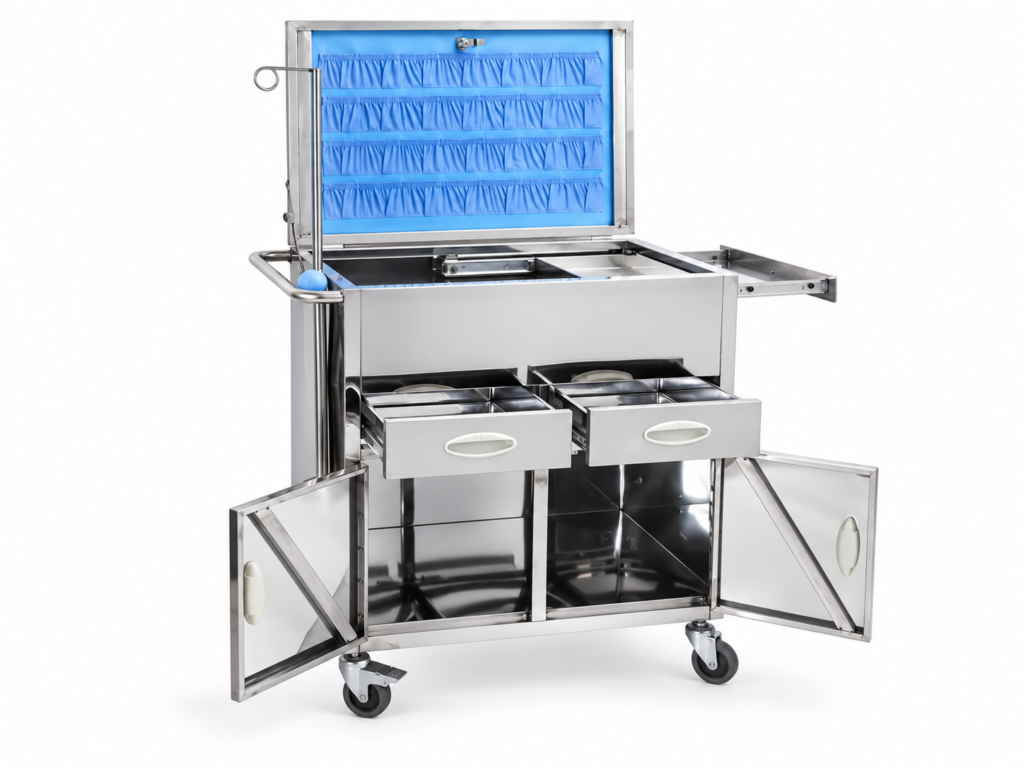
Stainless steel is used on some cart bodies, frames, rails and work surfaces. The exact parts and grade should be stated in the quote.
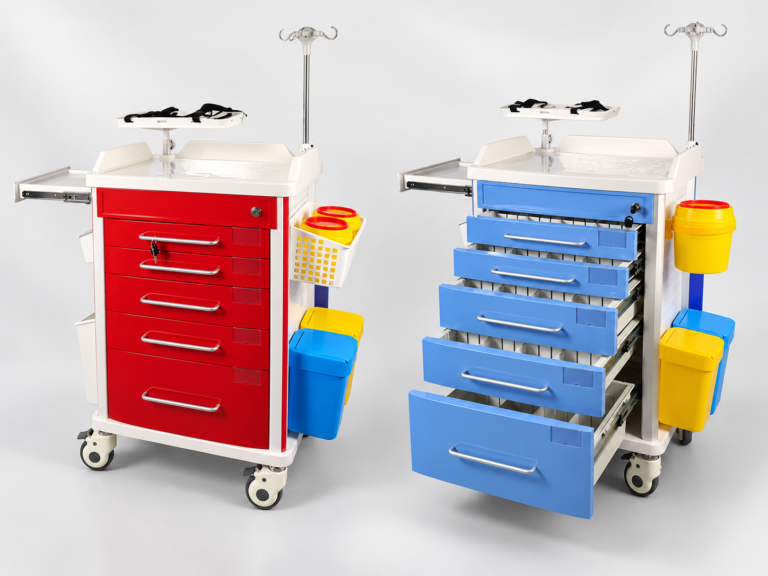
A stainless steel name does not mean every component is stainless steel. Harloff’s MDSS2424B13 page describes a stainless steel exterior with powder-coated steel drawer interiors. It also states that this model is not designed for a cart washer.
These details apply to that model. They show why the complete assembly matters.
Stainless steel is corrosion-resistant, but it is not immune to corrosion. Outokumpu’s corrosion guide explains that resistance depends on the grade and exposure conditions. Chlorides can contribute to some forms of corrosion.
If a tender requires a particular grade, ask where it is used. A stainless steel guard rail alone does not confirm the material of the cabinet or drawers.
For cleaning steps, see How to Clean a Crash Cart. Before ordering, confirm that the hospital’s planned cleaning products suit the exact cart and its finishes.
Airomay Material Examples: Confirm the Parts and Grade
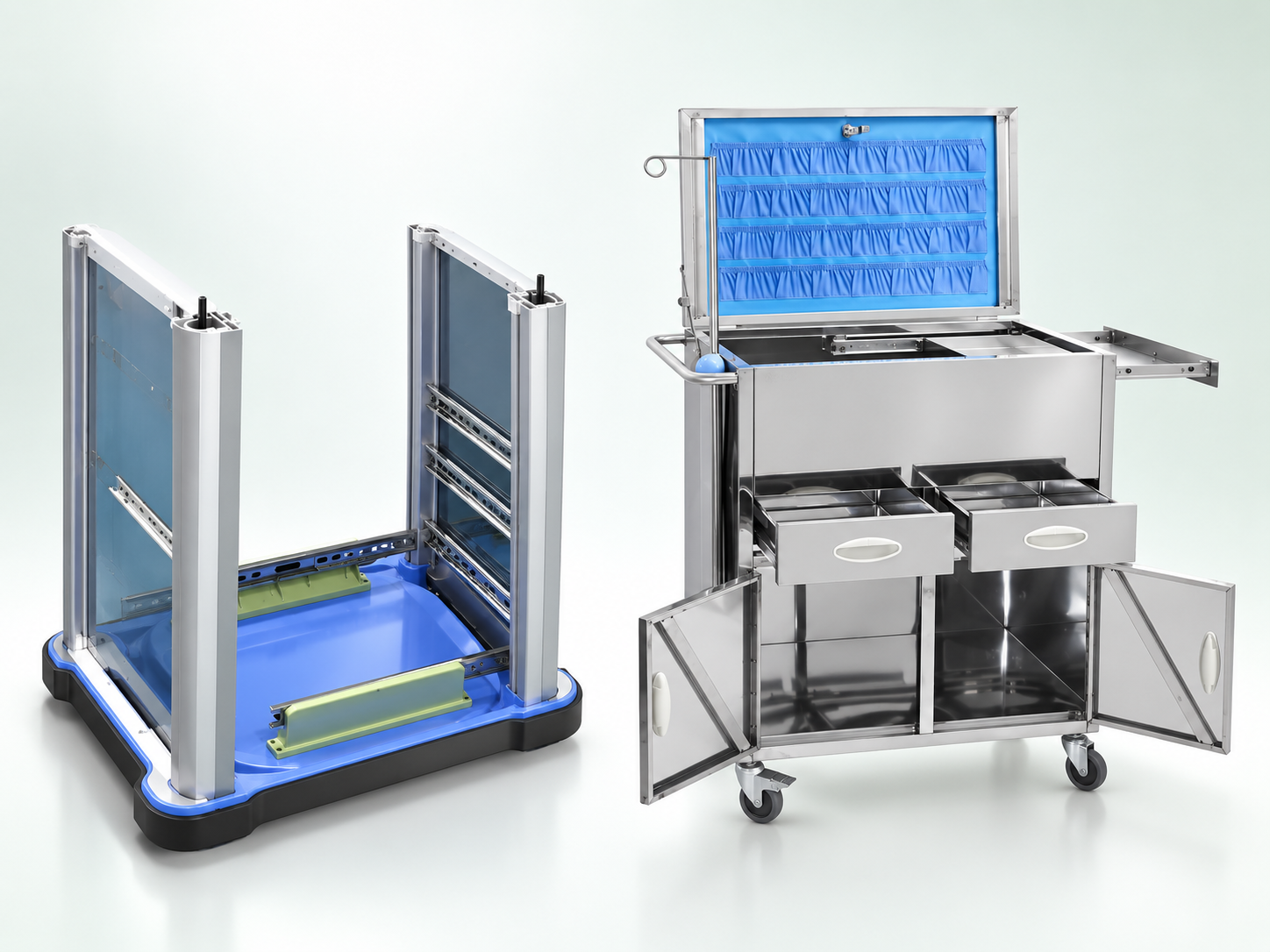
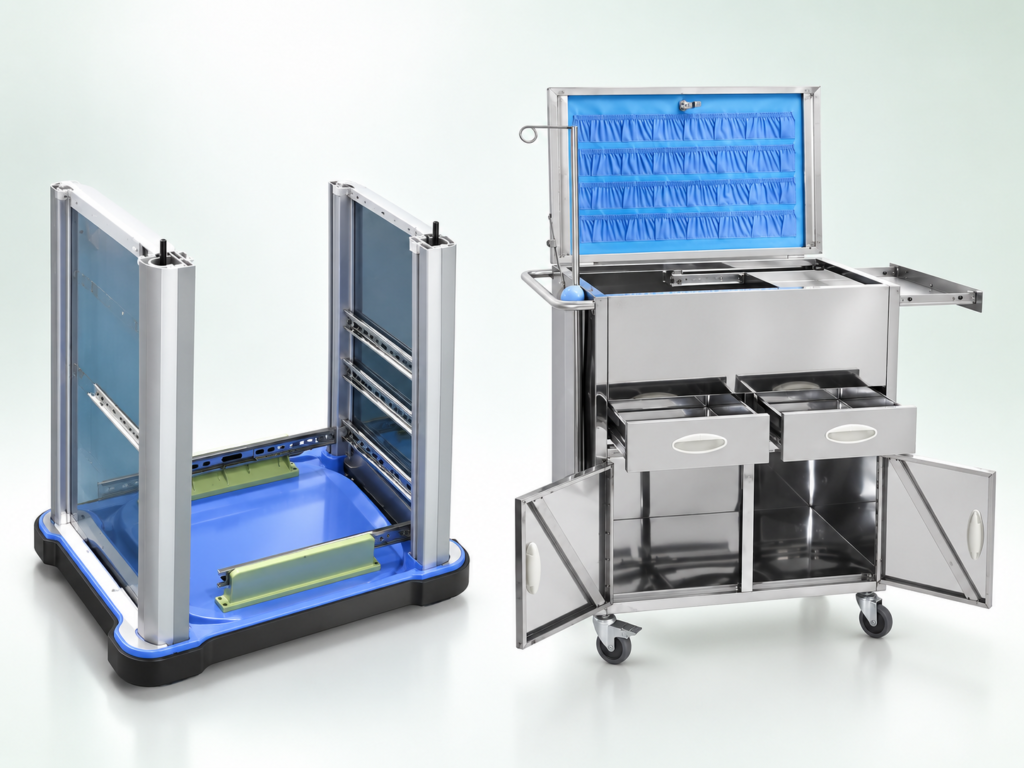
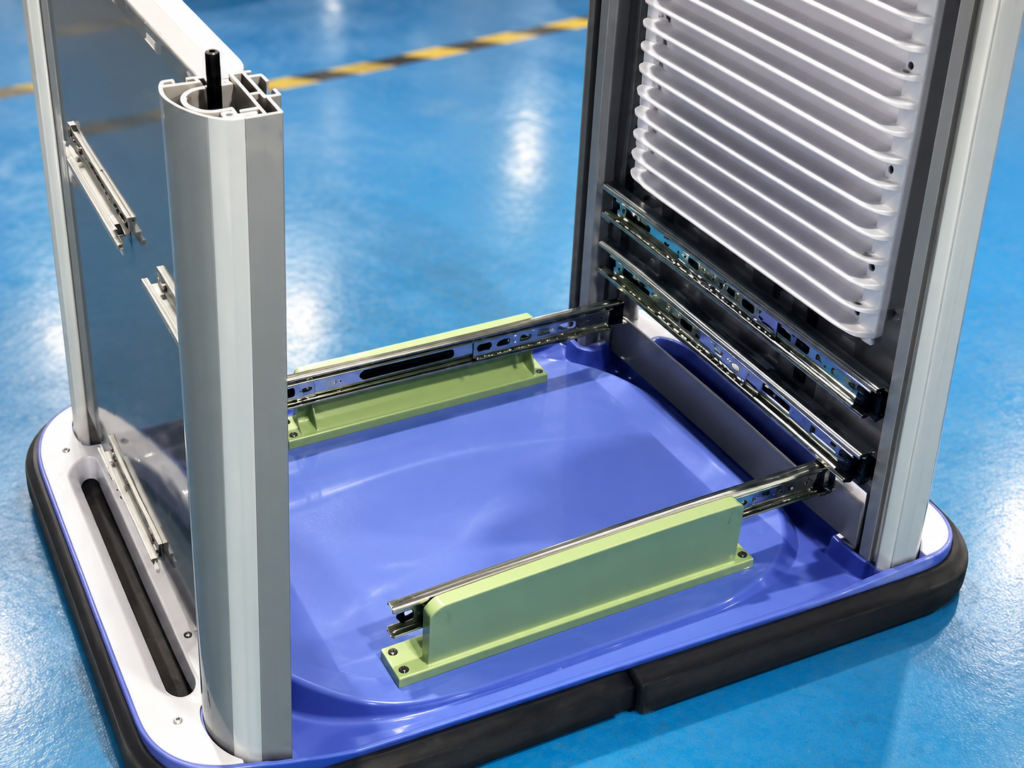
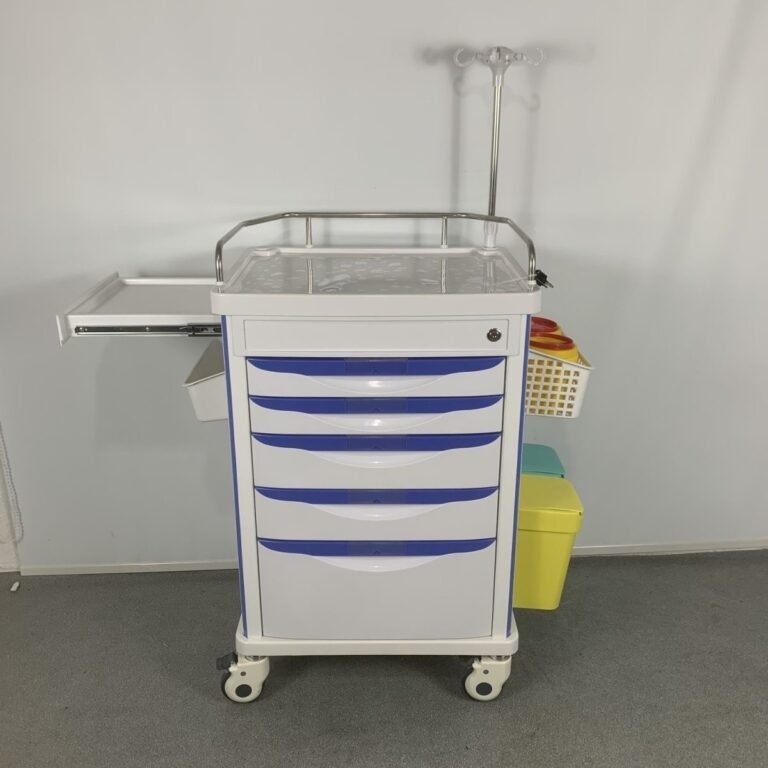
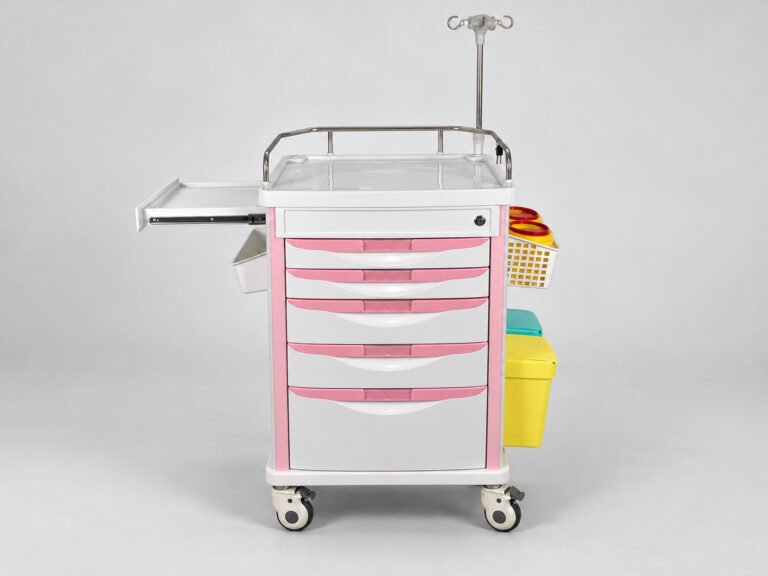
For the ABS cart discussed here, Airomay identifies the worktop, drawers and body panels as ABS. The supplied assembly photos also show upright supports and drawer slides. These are separate parts to confirm when reviewing the construction.
An ABS label should not be read as a promise that every part is plastic. Buyers should ask for the support material as well as the panel material.
Airomay also offers stainless steel carts in 201 and 304 options, depending on the model and order. State the required grade before requesting a quote. Ask which parts use that grade, and record the agreed details in the order.
Airomay advises buyers to deal with accidental iodine-based antiseptic spills promptly. The method should follow the cart care instructions and facility policy. This advice does not mean that other chemicals can be left on the surface or that the steel cannot corrode.
For ABS parts, request the resin details and thickness where these are part of the project requirements. A supplier’s quality label should be explained in the specification. It should not replace an agreed material description.
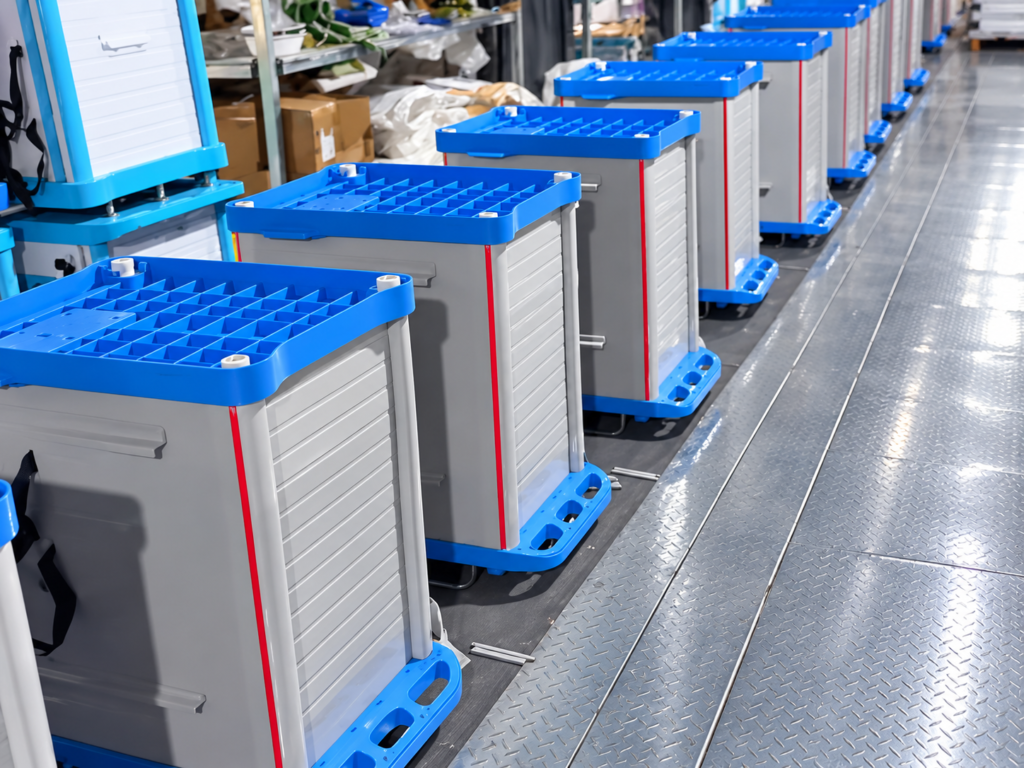
Confirm Crash Cart Materials Part by Part
Use a separate row for each important part. Ask the supplier to fill in the details for the exact model offered.
| Part | What to record | Useful confirmation |
|---|---|---|
| Body panels | Material and finish | Model specification |
| Frame and supports | Material; specified thickness where required | Drawing or part specification |
| Drawer fronts | Material and finish | Part description |
| Drawer interiors | Material and finish, separate from fronts | Detailed specification |
| Worktop | Material and surface finish | Model specification and care instructions |
| Rails and brackets | Material; stainless grade if required | Identified part specification |
If a grade is required, agree on the evidence before ordering. Ask what the document covers and how it links to the supplied parts. A photo can show appearance, but it cannot confirm material grade by itself.
Here is a hypothetical example. Two quotes both say “stainless steel crash cart.” One lists stainless steel drawer interiors. The other lists coated steel interiors. The names match, but the specifications differ.
The next step is to check whether each construction meets the project requirement. Do not compare the two offers as if the material scope were identical.
For wider shipment checks, see Crash Cart Quality Control.
What Material Alone Cannot Tell You
Material is one part of the specification. It does not give the complete answer to these questions:
- How heavy is the cart? Ask for the net weight of the quoted configuration.
- How much can it carry? Confirm separate limits for the cart, drawers and device shelves where applicable.
- How easy is it to move? Review the assembled cart, its load and its casters.
- How long will it last? Review design, working conditions, care and available parts. Do not assign one lifespan to a material group.
A stainless steel label does not prove a load rating. An ABS label does not prove that a fully equipped cart is easy to push.
Use the material breakdown together with the model’s stated limits. For the wider purchase process, read the hospital crash cart buying guide.
Frequently Asked Questions
What Materials Are Crash Carts Made From?
Crash carts may use ABS, coated steel, stainless steel, aluminum and other materials. Many models combine materials in different parts.
Is an ABS Crash Cart Made Entirely of Plastic?
Not necessarily. It may have ABS panels or drawers with metal supports, rails or brackets. Ask for the construction of the selected model.
Are All Parts of a Stainless Steel Crash Cart Stainless Steel?
Not always. Check the body, drawer fronts, drawer interiors and worktop separately. The product name may describe only part of the construction.
How Heavy Is a Crash Cart?
There is no single weight for all crash carts. Size, structure, drawers and accessories affect the total. Ask for the net weight of the exact model and setup. An ABS or stainless steel label alone does not tell you how heavy the cart is.
Does Material Alone Show the Cart’s Load Capacity?
No. Ask for the load limits stated for the exact cart and its parts. Material names do not replace these specifications.
Next Steps for Buyers
Before comparing supplier quotes, record each main part’s material and finish. Confirm any required grade, cleaning guidance and load limits. Resolve unclear terms before approving the order.
Review the Airomay crash cart range and send the preferred model and material requirements to sales@airomay.com. Ask for the details that apply to the selected model.

[…] Crash Cart Materials for details about these parts. Here, the aim is to choose between models that can do the required […]
[…] Both screws and welds can form part of a sound design. The joint layout, materials and assembly all matter. For more on material choice, see Crash Cart Materials. […]